TR8 RHD Production
Dennis Chick, who was responsible for Product Planning for the TR7/8 programme and delivered the Product Planning Information (PPI) announcement on 14 May 1981 confirming the programme’s cancellation, has recently confirmed that approval for the Right-Hand Drive (RHD) TR8 project was not granted until the first quarterly Product Planning meeting of 1980, held in late March. Contemporary PPI documentation prepared by Dennis at the time fully supports this conclusion.
I have sought confirmation of the timing of this decision for many years, as it represents a crucial piece of evidence in understanding the true history of the RHD TR8. It establishes beyond doubt that vehicles built before April 1980 could not have formed part of the approved RHD development programme, press fleet, or any of the other explanations that have subsequently been advanced by various people to justify links between earlier cars and the Home Market TR8 project.
This finding builds upon documentary evidence uncovered last year proving that the factory never converted US-specification left-hand-drive (LHD) TR8s to right-hand drive. Taken together, these records definitively disprove claims that pre-April 1980 TR8s were connected in any official capacity to the RHD programme.
While the approval date is significant, an equally important and less widely understood fact is that the RHD TR8 project was effectively cancelled before the formal termination of the entire TR7/8 programme. The last RHD TR8 was completed on 31 March 1981 and, while that final car was being built, the decision was taken at the first quarterly Product Planning meeting of 1981 to end the RHD project altogether.
The reasoning was straightforward. By early 1981 it had become increasingly apparent that the future of the TR7/8 programme itself was in doubt. Launching a new RHD V8 model into the UK market made little commercial sense if overall production was likely to cease shortly afterwards.
As Dennis Chick later explained:
“We didn’t want a RHD V8 in the market while there was significant doubt about the whole project surviving. You don’t want to start the parts and service machine with all the costs involved.”
The implications are clear. Supported by contemporary factory documentation and first-hand testimony, it can now be stated with confidence that any TR8 built before April 1980 or after March 1981 was never part of the official Home Market RHD TR8 project.
The Story
The story of the RHD TR8 is surprisingly short, spanning just eleven months from approval to cancellation. In total, the factory built only 25 right-hand-drive TR8s: 22 pre-production vehicles and 3 EXP models.
It is a story of rarity, uncertainty and missed opportunity, the story of a model that very nearly never existed at all. The RHD TR8 was effectively knocked out before it ever had the chance to reach the showroom.
Contrary to popular belief, a right-hand-drive TR8 was never part of the programme from the outset. Approval to begin the project was not granted until the first quarterly Product Planning meeting of 1980, held in late March of that year. Prior to that decision, a RHD version was not an approved programme objective and was not under active development in any way at all.
This point is important because many enthusiasts have assumed that the RHD TR8 formed part of the project from the very beginning. As a result, a number of historical accounts and owners have incorrectly interpreted earlier LHD TR8s as somehow being connected to a future RHD programme which they never were.
In reality, Triumph’s priorities lay firmly 100% across the Atlantic. The principal target markets were the United States and Canada, which offered by far the greatest sales potential and return on investment. Consequently, development resources were focused exclusively on the left-hand-drive TR8. At that stage, a right-hand-drive version remained a very distant possibility rather than an approved product.
Only in late March 1980 was approval finally granted to begin work on a Home Market RHD TR8. By then, however, the TR8 programme was already entering its final phase.
To better understand the often complex and sometimes contradictory story of the RHD TR8, I have chosen to present every factory-built RHD TR8 in chronological order. Viewed in this way, the programme’s many twists and turns become much clearer, revealing not only how the project evolved but also the inconsistencies and anomalies that have contributed to so many totally misunderstanding its history.
APRIL 1980
Two EXP cars were built in April just after approval for the RHD project was given, one manual and one automatic, and were effectively the first two official right-hand-drive (RHD) cars.
X923 (General Development, manual) recorded a flying quarter-mile speed of 130.43 mph at MIRA. Interestingly, this test took place on 27th August 1981, several months after the cancellation of the RHD project in March 1981 and the termination of the entire TR7/8 programme on 14th May 1981. This timing proves the story that the exercise was not connected with production development at all.
According to Roy Ford, the engineering department found itself with considerably more spare capacity following the cancellation of the TR7/8 programmes. As he recalled, the teams were keen to remain occupied, and, perhaps just as importantly, to appear occupied, in order to avoid unwanted management attention. What emerged was a friendly but unofficial rivalry between the TR8 team and the TR7 O-Series turbo development team. With access to MIRA’s test facilities and no active production programmes demanding their attention, the opportunity for some informal performance testing proved too tempting to resist.
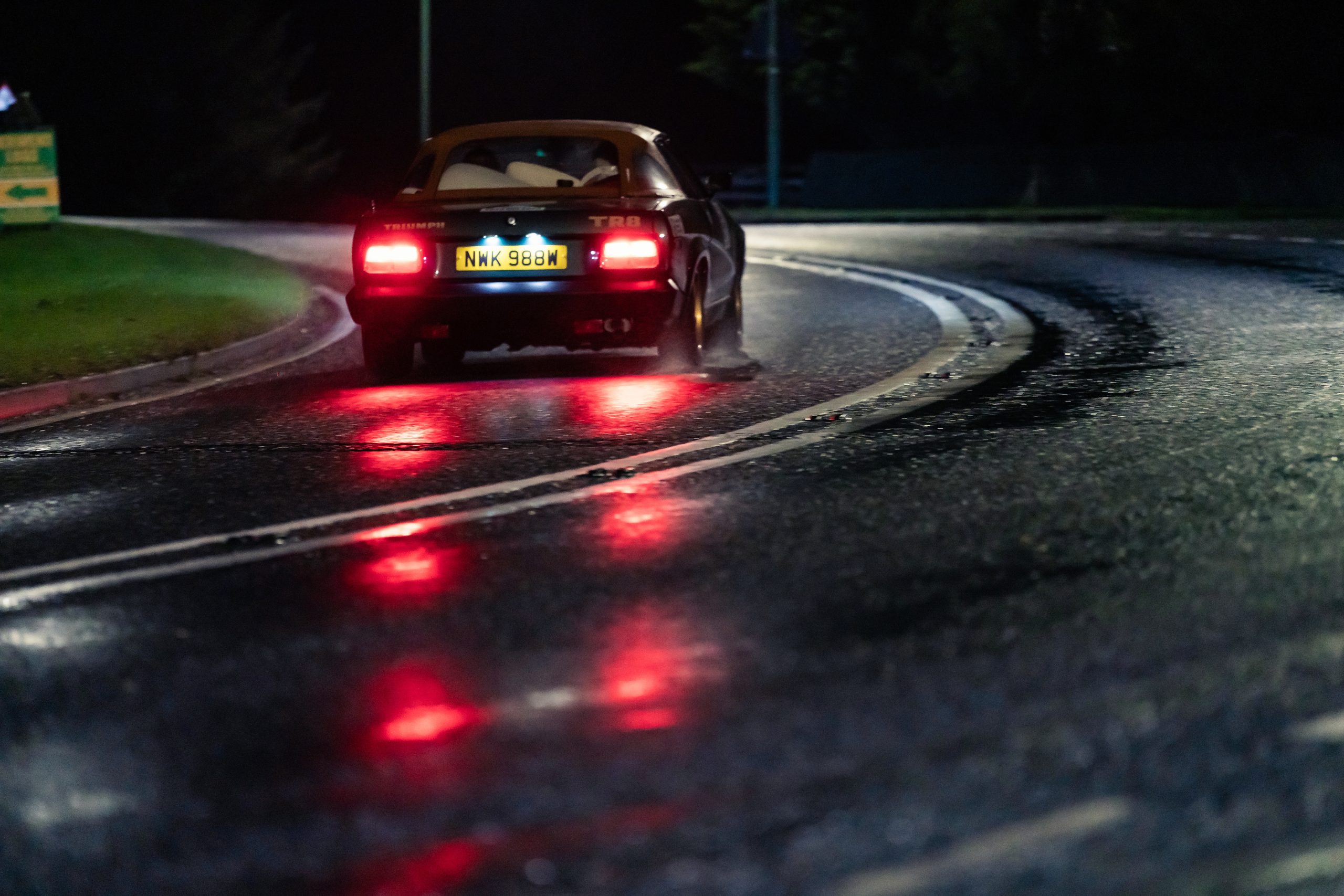
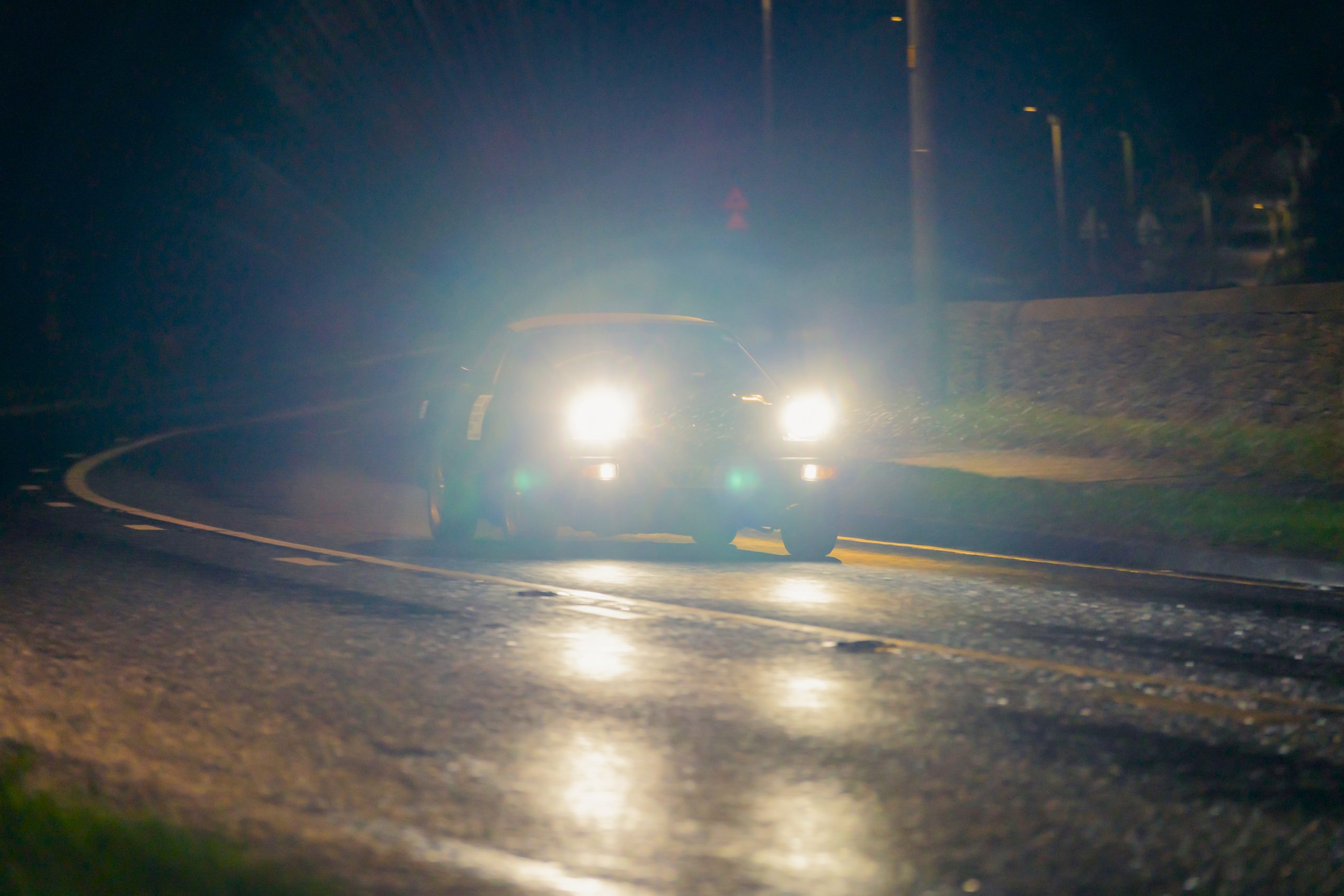
In reality, there was little left to prove. The TR8 had already demonstrated its performance credentials when NWK 988W reportedly achieved 150 mph during a management demonstration at Abingdon in late January or early February 1981.
X923 is also notable for being the only right-hand-drive TR8 that was neither sold through Measham nor supplied directly to a dealer. Instead, it was retained by the company for several years after production ended, most likely as a safeguard against any potential legal issues relating to the right-hand-drive cars sold through Measham. It remained in company ownership until it was eventually sold at a Heritage auction on 3 June 2003.
X921 (General Development, automatic) has often been suggested to have been re-shelled at some point in its life. However, I have yet to see any evidence that conclusively supports this claim. One interesting detail is that the car was originally fitted with a blue check interior, whereas it now carries a tan velour interior, indicating that at least the trim has been changed during its lifetime.

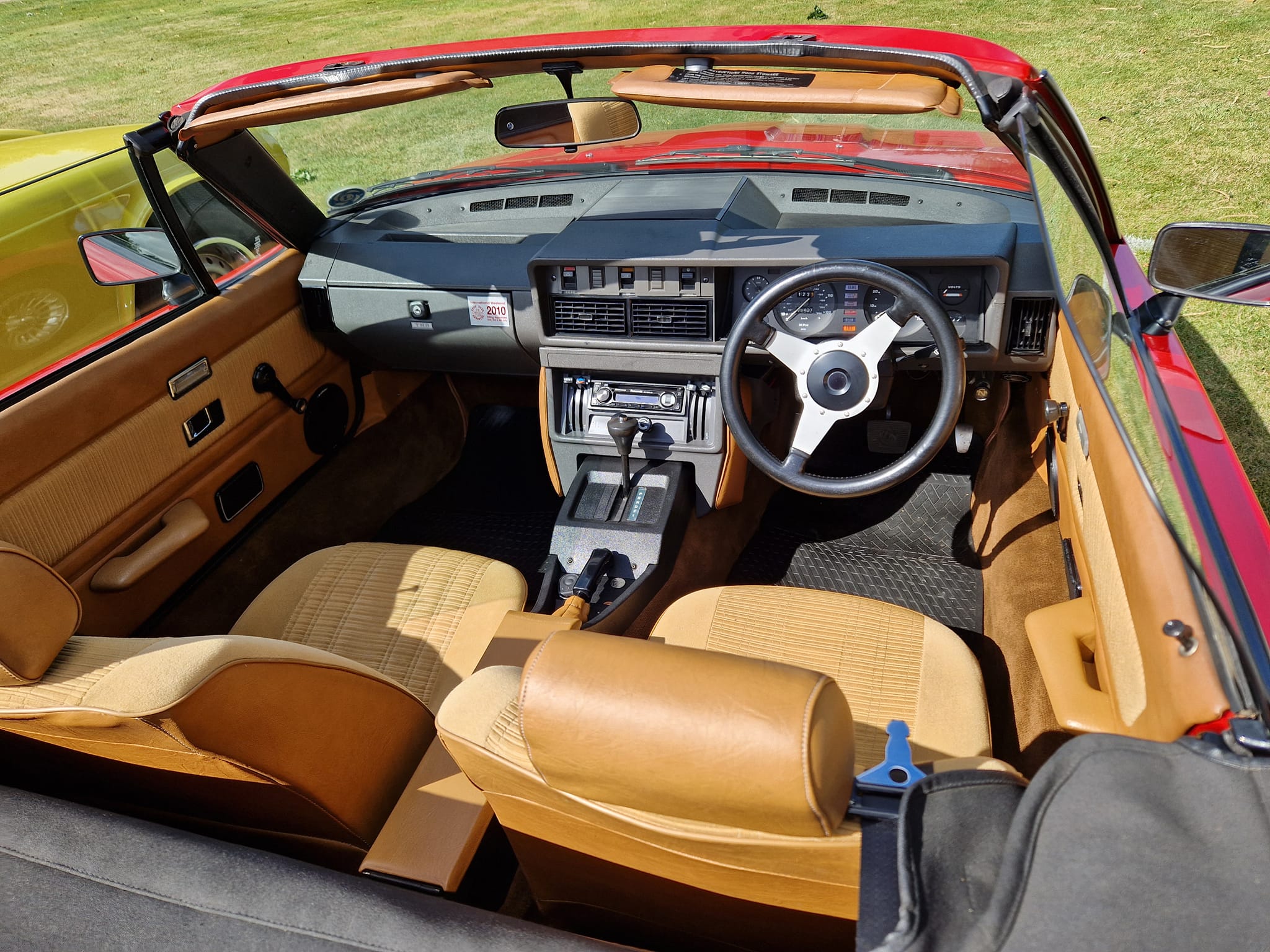
KHP573V

KHP573V
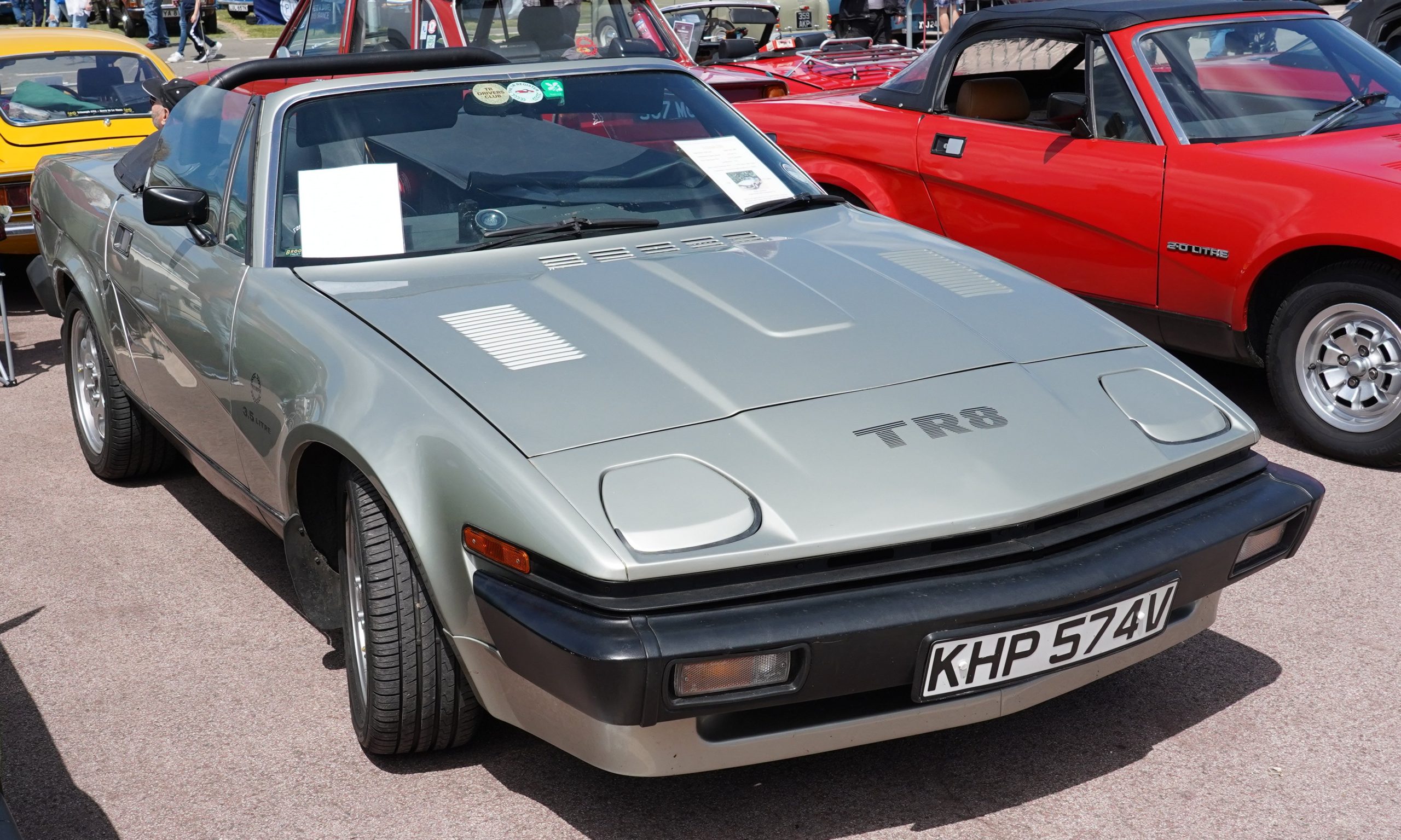
KHP574V
24th APRIL 1980
Next came Brian Fox’s car, officially designated as a “quality build”. However, according to several people involved at the time, the project was viewed more as a personal initiative by Brian Fox, enabling him to acquire the very first RHD TR8. Strictly speaking, that claim is open to debate, as the two RHD experimental (EXP) cars had been built earlier. Nevertheless, Fox did receive what could reasonably be described as the first production-specification RHD TR8.
At his request, the car was fitted with the distinctive grey-striped interior originally developed for the TR7 Spider, giving it a unique appearance compared with later RHD TR8s.

“Someone else with memories of the right-hand-drive TR8 is Kevin Jones, who in 1980 was one of the last Triumph apprentices and in later years became better known as the public face of MG Rover press and publicity. ‘I helped build the first RHD TR8’, Jones recalls, adding with crystal-clear recollection that the metallic silver-grey car was given the registration number MHP404V and was passed to Brian Fox, a BL Director” Excerpt from Book by David Knowles
Another person who became aware of the project was Peter Wilson, an Engineering Consultant whose office was situated just around the corner. One morning, intrigued by the sounds coming from a small workshop nearby, he poked his head around the door and discovered the car being built. When he asked what it was for, he was told that it was being constructed for Brian Fox.
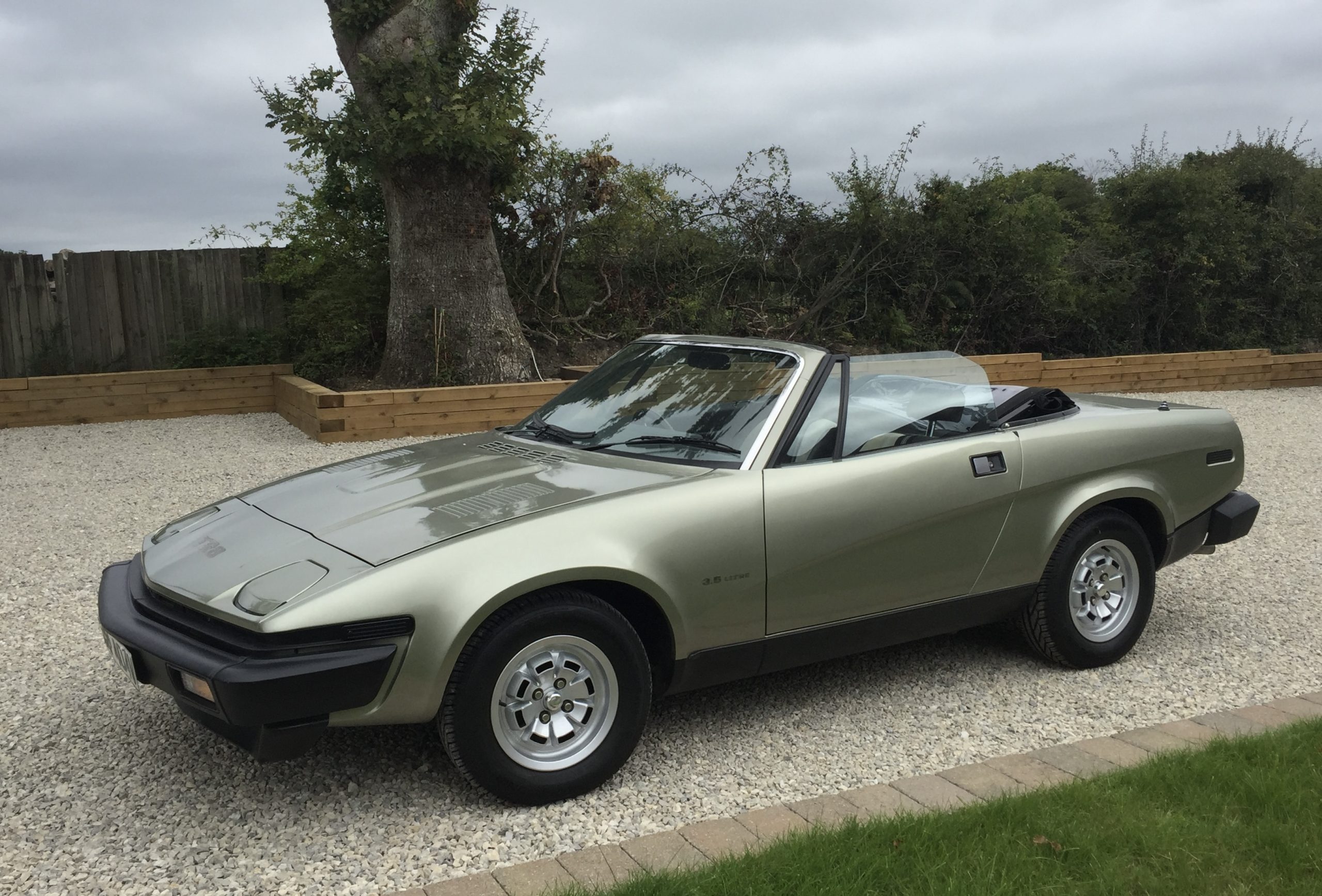
MHP404V
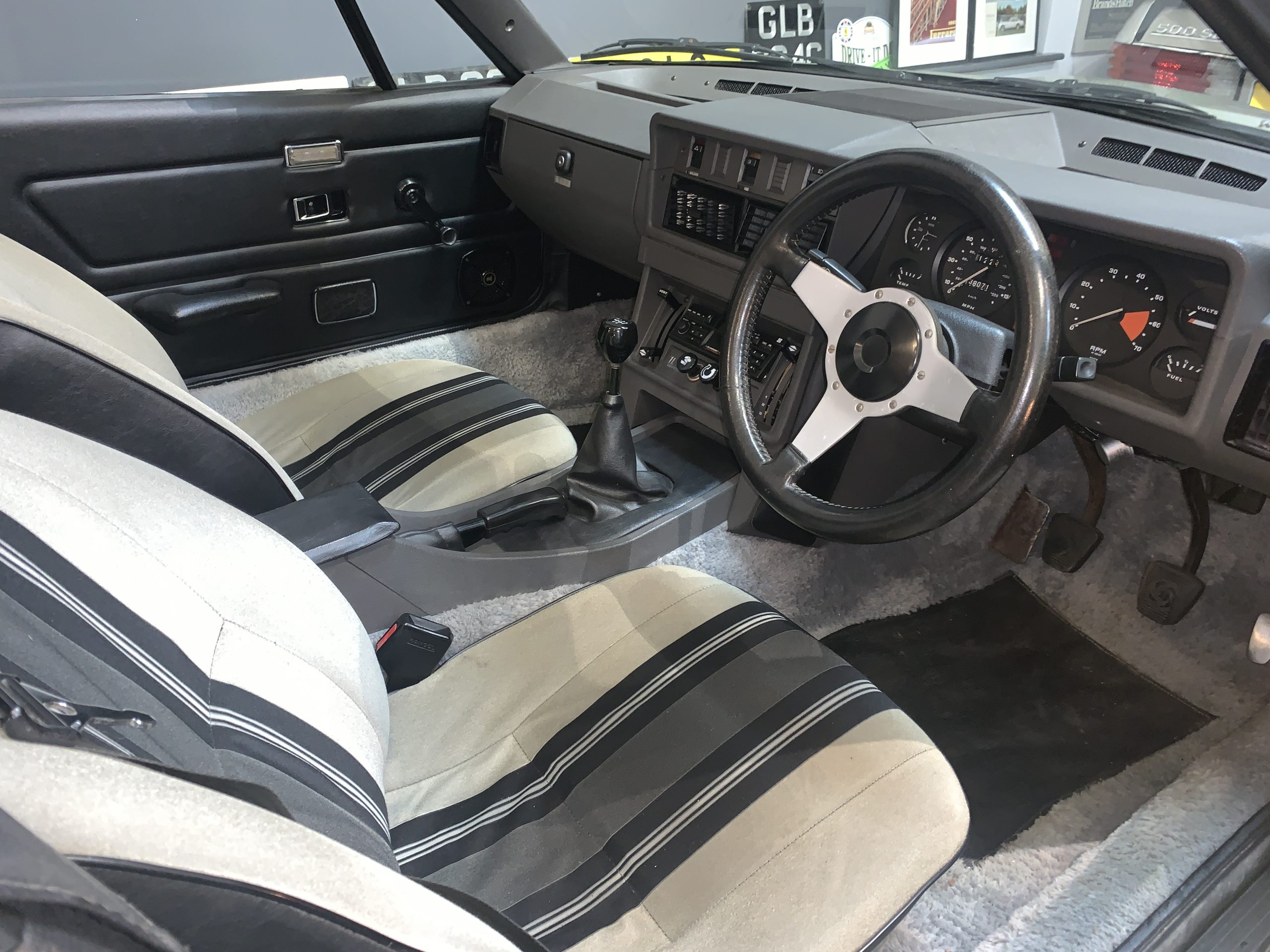
MHP404V
29th JULY 1980

Officially designated by the factory as a “Development” vehicle, this car was described in a May 2026 Classic & Sports Car article as the “BL Special Edition TR8”, a title that better captures its character and intended purpose far more accurately than its original factory classification.
“You have to exercise NWK 988W to reveal its true depths. Initial impressions are that it is less easy to live with at moderate cruise, with its more focused springing and damping exciting the car’s structure and more overrunning uneven surfaces, which in turn creates greater reaction through the still-excellent power steering. That glorious soundtrack still fills your ears though, but it offers something decidedly hardcore when you start to extend this TR8’s performance envelope, and that means pushing beyond 5,000 rpm, where the standard car produces its maximum power. At this point, BL MOTORSPORT’S Humphreys and Hurdwell’s revisions to engine and chassis make more sense. The V8 finds a second wind in its upper reaches as the exhaust note hardens into a titanic roar, transforming the TR8 from GT to projectile”
“sometimes a more extreme approach is needed to make the point, and there is no doubt that NWK was just that.”
Official Purpose: A green TR8 NWK988W from Solihull has been subject to both engine and suspension modifications at BL Motorsport Abingdon. The purpose of this was to present alternative engine and chassis specifications for the future UK and European Sports Car Market.
Like MHP 404V discussed above, both of these cars appear to have fulfilled roles that extended well beyond the normal production remit. This is a recurring pattern throughout the RHD TR8 programme and becomes increasingly evident when examining the often substantial differences in build dates. Such gaps suggest that many of these cars were assembled to satisfy specific requirements or individual projects, rather than as part of a formally recognised, continuous and coordinated production programme.
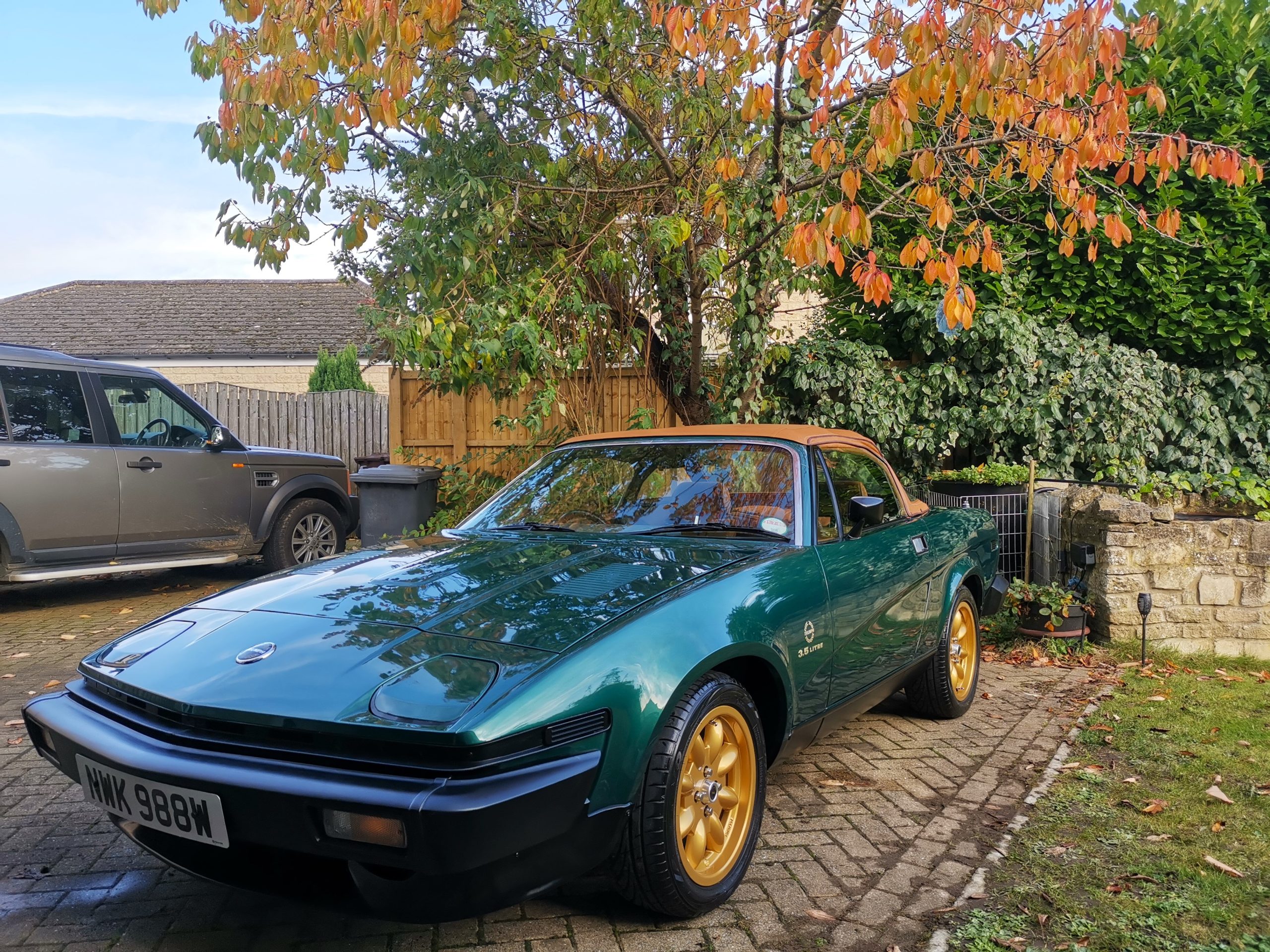
NWK988W
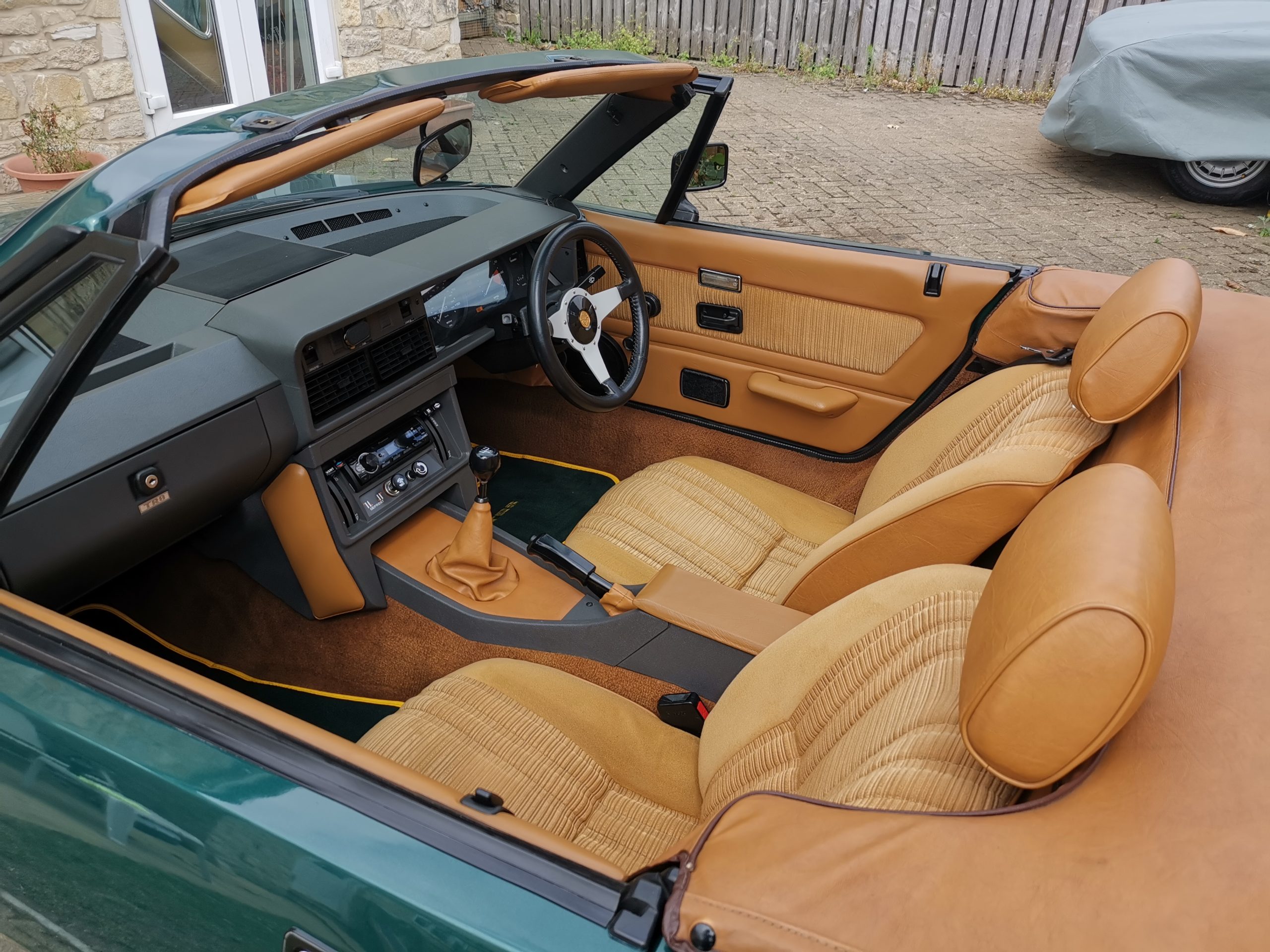
NWK988W
12th & 19th NOVEMBER 1980

The first of the Methods-built cars was an automatic. However, as shown in the list above, its chassis number identifies it as a manual TR7, despite the car actually being an automatic TR8. Over the years, various theories have been put forward to explain this anomaly, including the possibility that a TR7 was taken from the production line and converted, or that the wrong identification plate was accidentally fitted from another vehicle.
The car carries a CHP300010-body number, which is consistent with the manual methods build car, it being body number 9, and this aligns with the other right-hand-drive TR8s that carry TR8 chassis numbers, less Brian Fox’s car which is a 1980 model year car, unlike the EXP cars, which used BBP body numbers. As a result, the numbering appears to fit correctly. When the car came up for sale after being found in a London lockup somewhat worse for wear, the Heritage records confirmed that it is recorded as being a right-hand-drive TR8.
The manual car disappeared for a while to a collection in the USA but has more recently returned to the UK.
Another interesting anomaly concerns the build dates. These Methods-built cars should, in theory, have been completed well in advance of the first batch of production-line cars, yet the recorded dates suggest they were being built at roughly the same time. Given that they are fitted with later 1982 model-year features, including the push-reset speedometer, clock, and several other updated components, that the first batch was not, given they are 1981 model year, it seems quite probable that they were actually Methods-built cars intended for the final batch produced in March 1981.
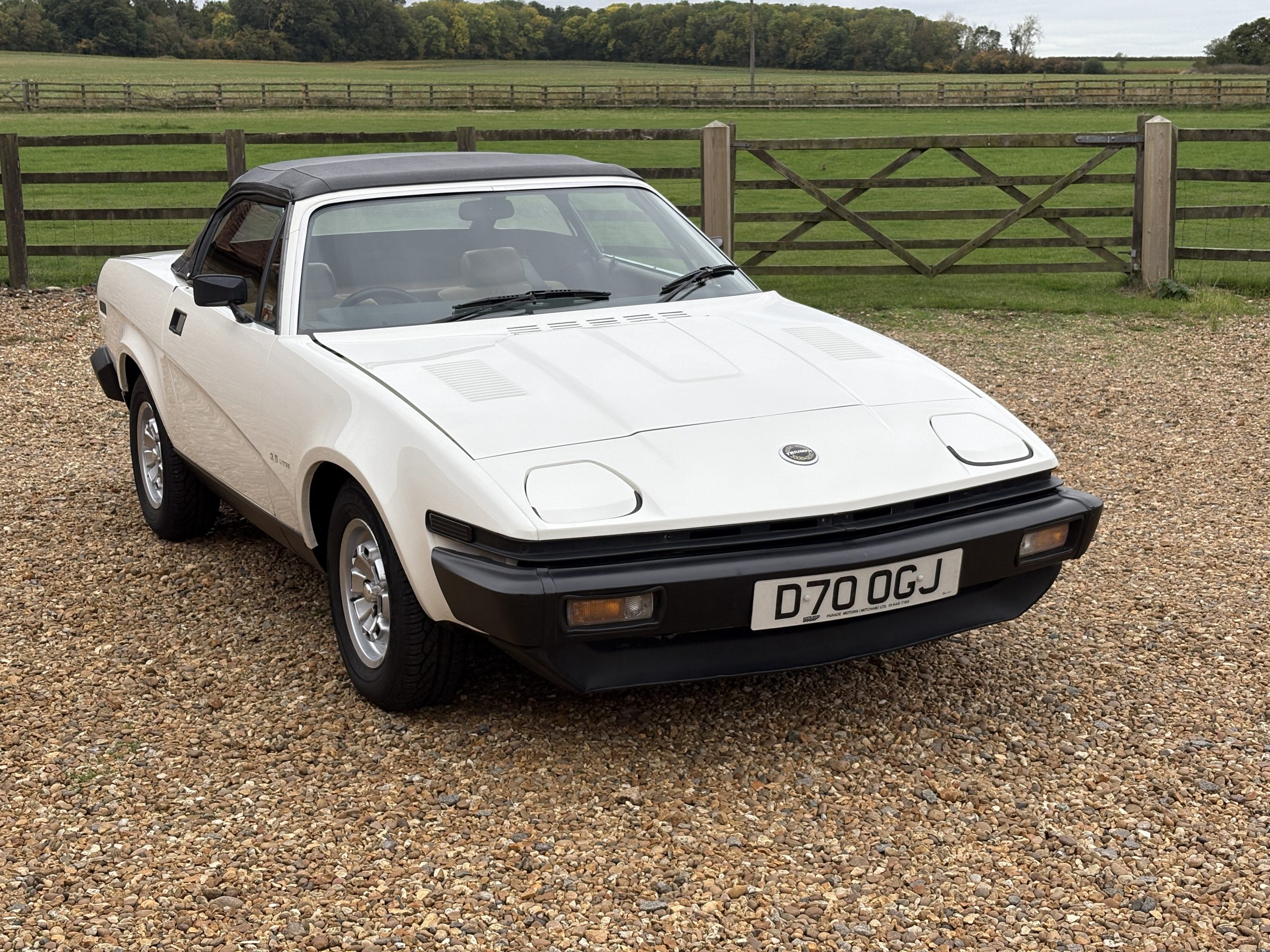
D70OGJ
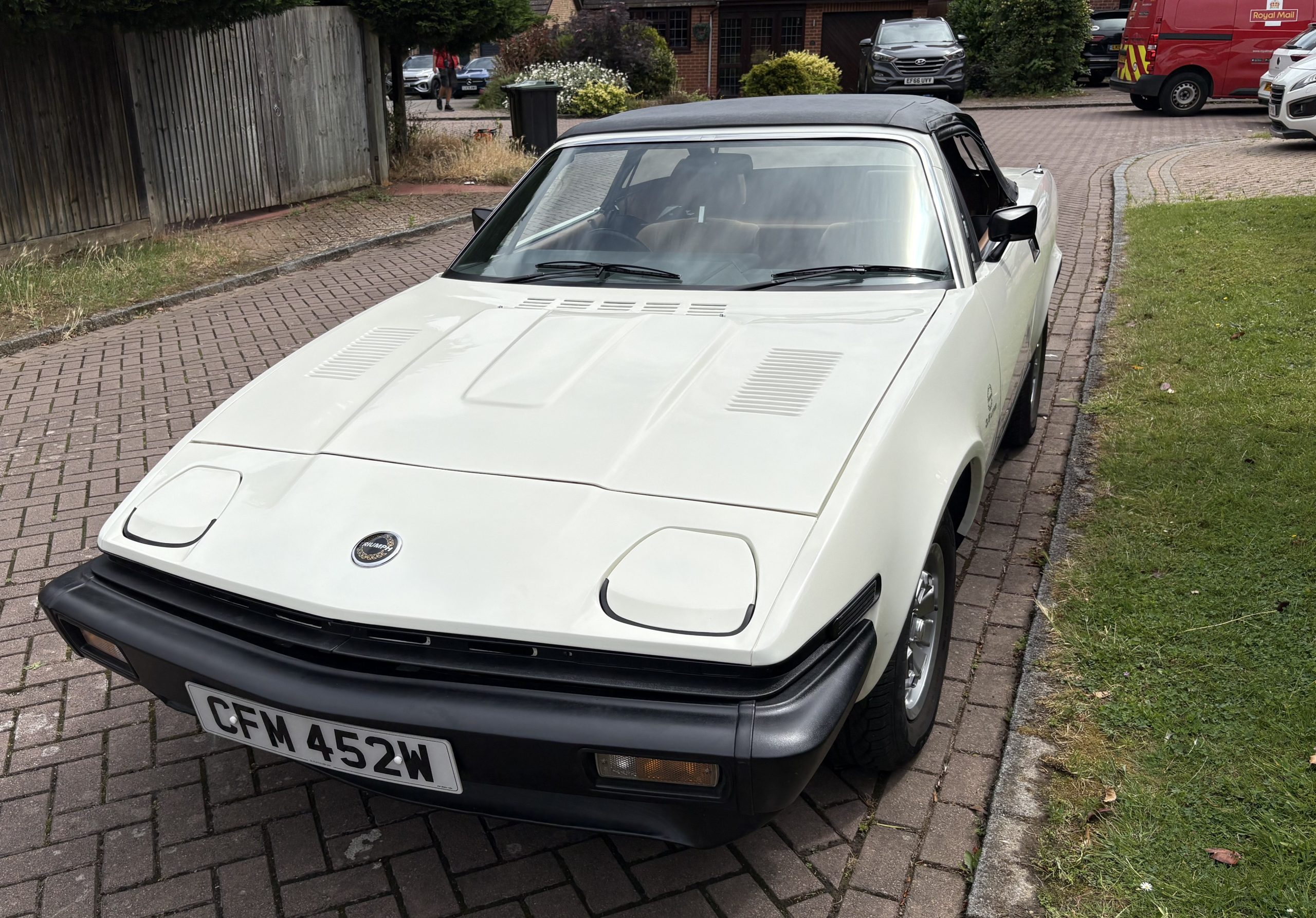
CFM352W
NOVEMBER 1980 to DECEMBER 1980

These cars remain something of a mystery. At least some appear to have been built at roughly the same time as the Methods-built cars discussed above, which should not have been the case, as the Methods cars were expected to have been completed first. Adding to the confusion, all of these cars are recorded as having been completed on 5 January 1981, which seems highly unlikely given the number involved and the improbability of them all being finished on exactly the same day.
According to Garry Owen, who was in charge of the right-hand-drive TR8 project, these cars were actually built at Canley in November 1980 and completed by December of that year. They were then shipped to Solihull for chassis number stamping, although it remains unclear whether this was carried out physically at Solihull or simply recorded that way in the paperwork.
The chassis numbers themselves support the Solihull connection, as they carry the “AA” plant code rather than the “AT” code normally associated with Canley. However, when questioned about this discrepancy, Garry Owen commented that “we did all sorts of things like that at the time,” suggesting that such anomalies were not unusual during the final years of production. NOTE: These cars were fitted with TR7 chassis plates P/N TKC4542 but with the correct TR8 chassis numbers.
DECEMBER 1980

This vehicle served as the trim and styling evaluation car, used to assess design features that may have influenced the appearance of the proposed 1982 specification model. It functioned as a development reference for both interior and exterior styling, helping to refine trim materials, dashboard design, seating configurations, and other aesthetic elements considered for future UK right-hand-drive TR8s.
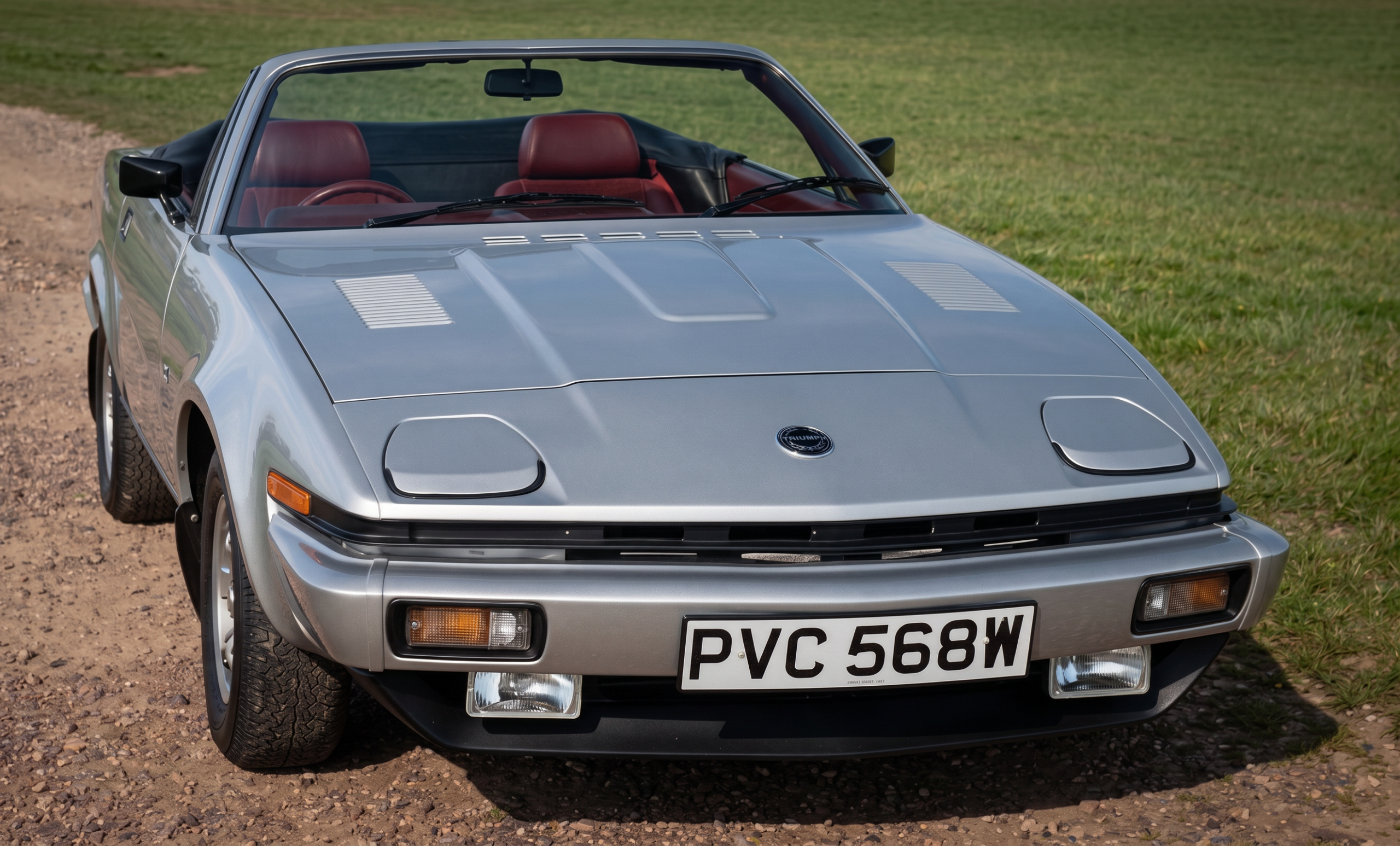
PVC568W
18th to 31st MARCH 1981

NOTE: These cars were fitted with correct TR8 chassis plates P/N TKC6764 but with incorrect TR8 chassis numbers as in TPVDA7AA where as they should be TRADV7AA. These are the cars that never were: vehicles cancelled before they had even left the assembly line, denied the chance to prove themselves as a true production model.
What is not widely understood is that the RHD TR8 project was effectively cancelled before the formal termination of the entire TR7/TR8 programme. The final RHD TR8 was completed on 31 March 1981, but even before that last car was built, the decision had already been made at the first quarterly Product Planning meeting of 1981 to bring the RHD project to an end.
The reasoning was straightforward. By early 1981 it had become increasingly apparent that the future of the TR7/TR8 programme itself was uncertain. Launching a new right-hand-drive V8 model into the UK market made little commercial sense if overall production was likely to cease soon afterwards.
As Dennis Chick later explained:
“We didn’t want a RHD V8 in the market while there was significant doubt about the whole project surviving. You don’t want to start the parts and service machine with all the costs involved.”
The result was a production run lasting just eleven months, from April 1980 to March 1981, far removed from what would normally be considered a conventional production model. Many enthusiasts have attempted to classify the two line built batches of nine cars (18 in total) as full production vehicles. However, that interpretation is impossible to justify, when the two batches effectively represented different model-year specifications, contained numerous variations within and between the groups, and, in the case of the final batch, were cancelled before they had even left the production line!
In June 1981, a decision was taken to dispose of the entire RHD TR8 project, together with all the left-hand-drive development, test and EXP project vehicles. These cars were subsequently sold at the Measham auctions held during August and September 1981.
Following the sale, only a single RHD TR8 X923 and a small number of LHD TR8s were retained by the company, primarily to provide legal protection against any potential issues arising from vehicles that had already been sold.
Viewed in this context, the RHD TR8 was less a fully realised production model and more a programme that was halted long before it ever had the chance to reach its intended market potential.